Advanced Wastewater Treatment Solutions
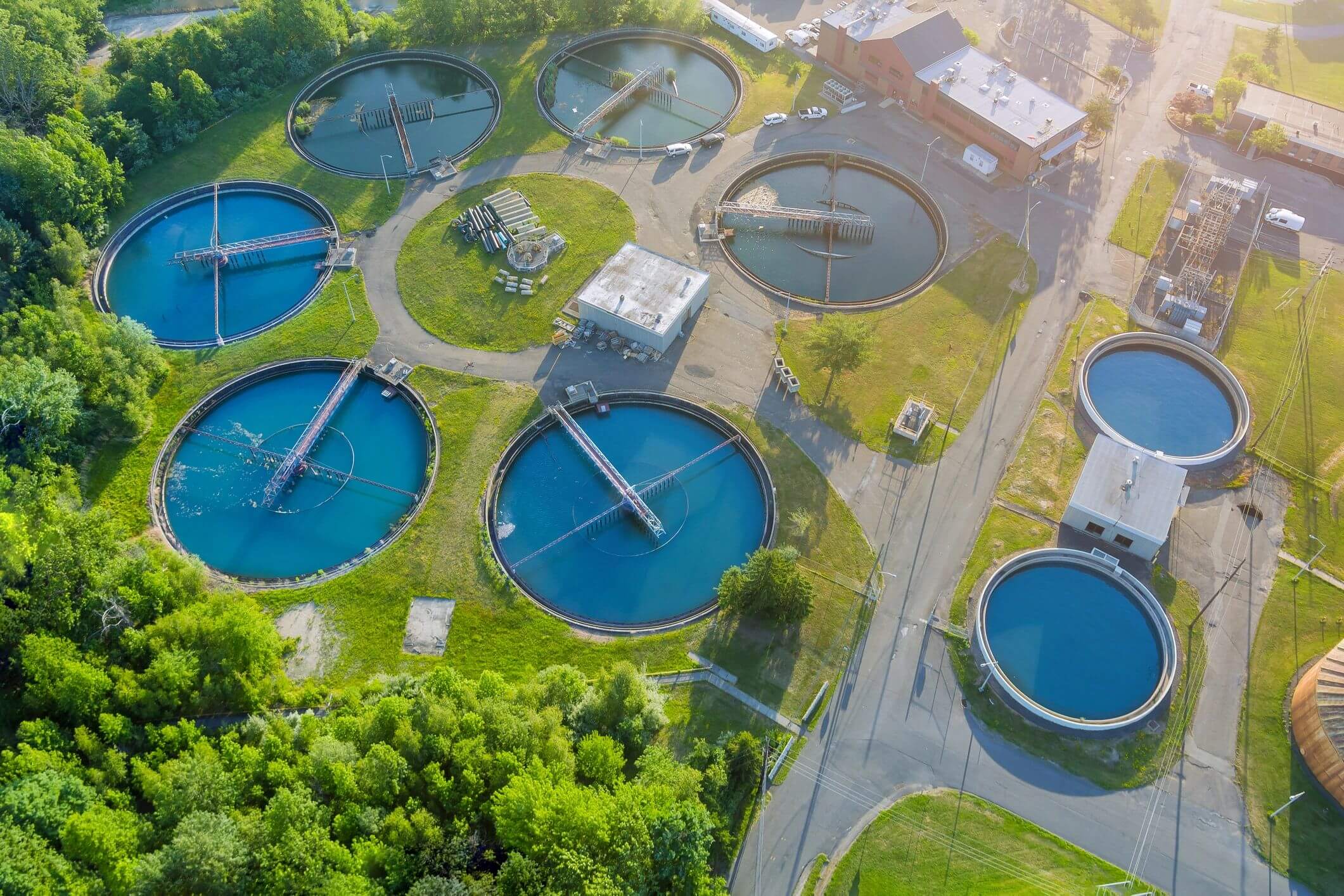
IRM Utility leads Tennessee in delivering reliable, environmentally responsible wastewater treatment technologies, supporting healthy communities and sustainable development for both developers and residents.

Environmental Benefits of Modern Wastewater Treatment
Modern wastewater treatment technologies play a crucial role in safeguarding both community and ecosystem health. By efficiently removing contaminants and pathogens, these systems protect local waterways, reduce pollution, and help maintain safe, clean environments for residents and wildlife alike.
Resource recovery is at the heart of sustainable wastewater management. Through advanced processes, valuable resources such as water, nutrients, and energy are reclaimed and repurposed, minimizing waste and reducing the demand on natural resources. This approach not only conserves vital materials but also supports the circular economy.
Implementing sustainable development practices in wastewater treatment ensures long-term benefits for communities. By prioritizing environmentally sound methods and responsible resource use, IRM Wastewater Utility contributes to resilient infrastructure, healthier ecosystems, and a more sustainable future for Tennessee.
Innovative technologies ensuring safe, sustainable water management
IRM Utility leverages state-of-the-art processes to deliver reliable and environmentally responsible wastewater treatment. Our solutions are designed to meet stringent regulatory requirements while promoting resource recovery and sustainable development for our communities and partners.
System Overview
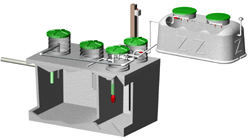
Biological treatment of wastewater historically has been the way water has been purified for centuries. On-site disposal of wastewater is recycling the clean purified waters into the soil using technologically advanced distribution systems. This reuse recharges ground waters and can be used in landscaping irrigation. These systems can be applied to small residential, commercial and large flows such as towns, strip malls, truck stops and any other non municipality serviced sewage treatment need.
Treatment and Disposal Process
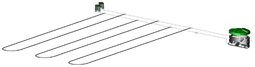
Wastewater is pretreated by settling solids in a conventional septic tank. Treatment occurs when wastewater is sprayed over a media filter (foam, peat, sand, linen), where it slowly percolates downward. As the effluent passes around and through the media it contacts large populations of aerobic organisms and degradation of the wastewater strength occurs. The effluent is recirculated until desired dispersal quality is achieved. Disposal is mainly by subsurface drip irrigation fields.
Removes fine particles and pathogens
Enables water reuse opportunities
Enhances reliability and safety
System Requirements
The systems are operated under the auspices of a State Operating Permit issued by the Tennessee Department of Environment and Conservation, Division of Water Pollution Control. A competent system owner is required for the responsibility of the system (Chartered Property Owners Association, municipality, privately owned public utility, or individual). A licensed operator is required to operate and run the system. Monitoring and analysis is typically required quarterly on small flows.
Our Wastewater Utility Services
Operational Management
Full-service management of wastewater treatment systems, ensuring reliable, compliant, and efficient operations for residential communities and commercial developments.
Connect With Our Experts
Take the next step toward sustainable wastewater management. Contact IRM Utility to discuss your project needs, request a consultation, or learn more about our reliable treatment solutions. Our team is ready to provide guidance and support for developers and utility customers across Tennessee.